

1
/
of
4
Auto Parts Tokyo
Hare no Machi Gallery Hanging Scroll Sunrise Phoenix Shakuzo Ito Jakuchu Width 44.5 x Height 164cm Reproduction of a masterpiece from the Museum of Fine Arts, Boston
Hare no Machi Gallery Hanging Scroll Sunrise Phoenix Shakuzo Ito Jakuchu Width 44.5 x Height 164cm Reproduction of a masterpiece from the Museum of Fine Arts, Boston
Regular price
$115.00 USD
Regular price
Sale price
$115.00 USD
Unit price
/
per
Shipping calculated at checkout.
Condition: New
Couldn't load pickup availability
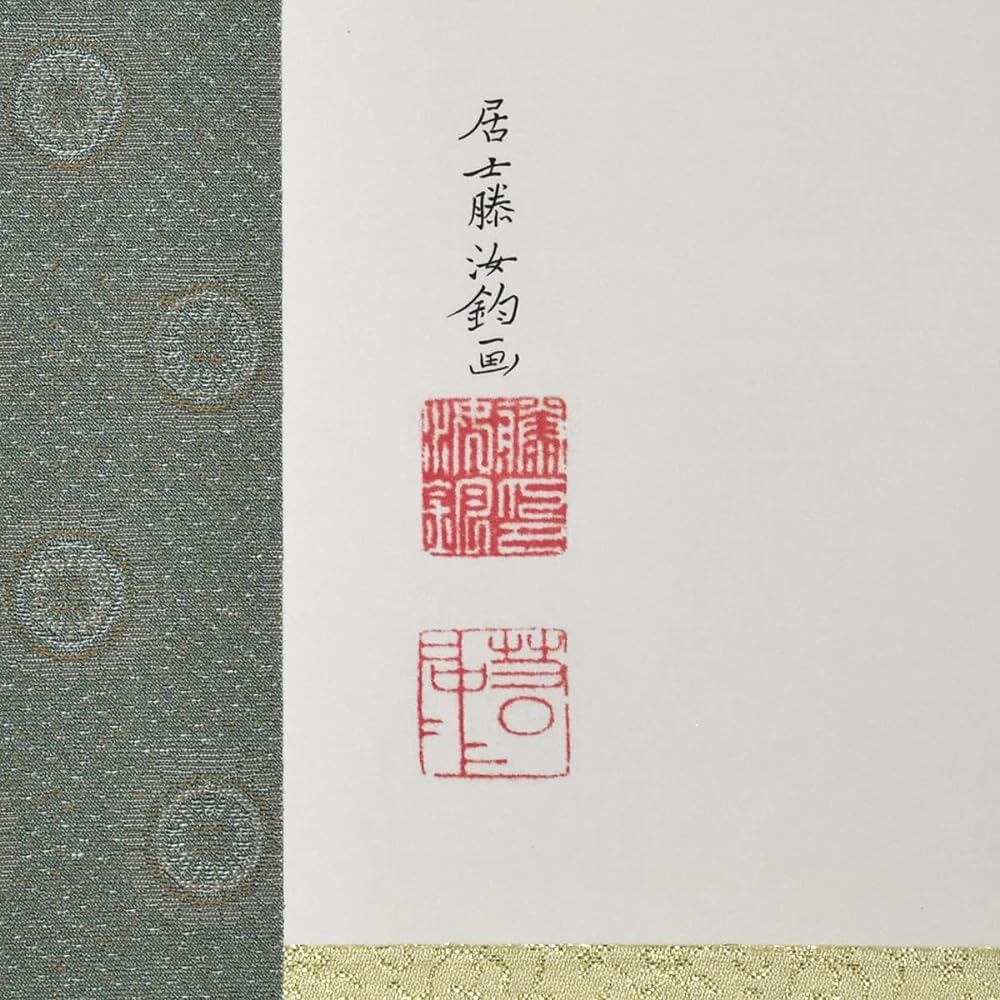
One of Jakuchu's masterpieces, depicting a phoenix flying against the backdrop of the rising sun, a reproduction of a famous painting owned by the Museum of Fine Arts, Boston, USA Size: Shakusan Width 44.5 x Height 164cm Paperback: New silk (high-definition artistic painting + hand-colored finish) ) Mounting: Rakusai Tsushi genuine mounting *10 year warranty on mounting quality Storage box: Cosmetic box
Reproductions of masterpieces by Japanese masters - A blissful time for luxurious display Jakuchu Ito 1716-1800 Born as the eldest son of a vegetable wholesaler in Nishikikoji, Kyoto. While working as a businessman, he began to study painting after the age of 30, and at first, like other painters, he knocked on the doors of the Kano school, which was the mainstream at the time. "No," he thought, so he quit art school and honed his skills through self-study. When he was 40 years old, he handed over the headship of the family to his younger brother, and from there he began to devote himself to drawing. Jakuchu was a lone wolf painter, but he became so famous that he was listed as the second artist after Maruyama Okyo in the ``Heian Jijinshi,'' a record of cultural figures and notables of the time. In his later years, in contrast to his previous colorful works, he began producing ink prints that resembled ink paintings. In 1788, his home and workplace were destroyed in the Great Tenmei Fire, but by the time he lived to the age of 85, he had left behind many works. It was reevaluated in the ``Jakuchu and Edo Paintings'' exhibition held at the Tokyo National Museum in 2006, and was also popular at the ``300th Anniversary Jakuchu Exhibition'' held at the Tokyo Metropolitan Art Museum in spring 2016.
Reproductions of masterpieces by Japanese masters - A blissful time for luxurious display Jakuchu Ito 1716-1800 Born as the eldest son of a vegetable wholesaler in Nishikikoji, Kyoto. While working as a businessman, he began to study painting after the age of 30, and at first, like other painters, he knocked on the doors of the Kano school, which was the mainstream at the time. "No," he thought, so he quit art school and honed his skills through self-study. When he was 40 years old, he handed over the headship of the family to his younger brother, and from there he began to devote himself to drawing. Jakuchu was a lone wolf painter, but he became so famous that he was listed as the second artist after Maruyama Okyo in the ``Heian Jijinshi,'' a record of cultural figures and notables of the time. In his later years, in contrast to his previous colorful works, he began producing ink prints that resembled ink paintings. In 1788, his home and workplace were destroyed in the Great Tenmei Fire, but by the time he lived to the age of 85, he had left behind many works. It was reevaluated in the ``Jakuchu and Edo Paintings'' exhibition held at the Tokyo National Museum in 2006, and was also popular at the ``300th Anniversary Jakuchu Exhibition'' held at the Tokyo Metropolitan Art Museum in spring 2016.
Share